PRIMUS PHYSIO
Sports Injury Specialist · Port Vale FC

Sports Injury Physiotherapy
Newcastle-under-Lyme & Stoke-on-Trent

Expert rehabilitation for footballers, runners and gym athletes in Newcastle-under-Lyme and Stoke-on-Trent — backed by elite academy football experience at Port Vale FC.

ACL RehabHamstringAnkle SprainsReturn to SportFootballRunning
Pitch-Based Rehabilitation from Port Vale FC

Your first session is £60 (60 minutes) — full assessment, diagnosis and hands-on treatment combined. Follow-up sessions are £40 (30 minutes). No GP referral needed.

As formerly Head Academy Physiotherapist at Port Vale FC, rehabilitation is taken beyond the clinic and onto the pitch, gym and sport-specific environment — where the real demands of your sport are replicated.

This includes graded return-to-running, change of direction work, strength progressions and sport-specific criteria testing — ensuring you return confident, strong and ready to perform.

The same evidence-based protocols used to rehabilitate professional academy footballers are applied to every patient — whether you play Sunday league, compete in marathons or train in the gym.

Book Assessment
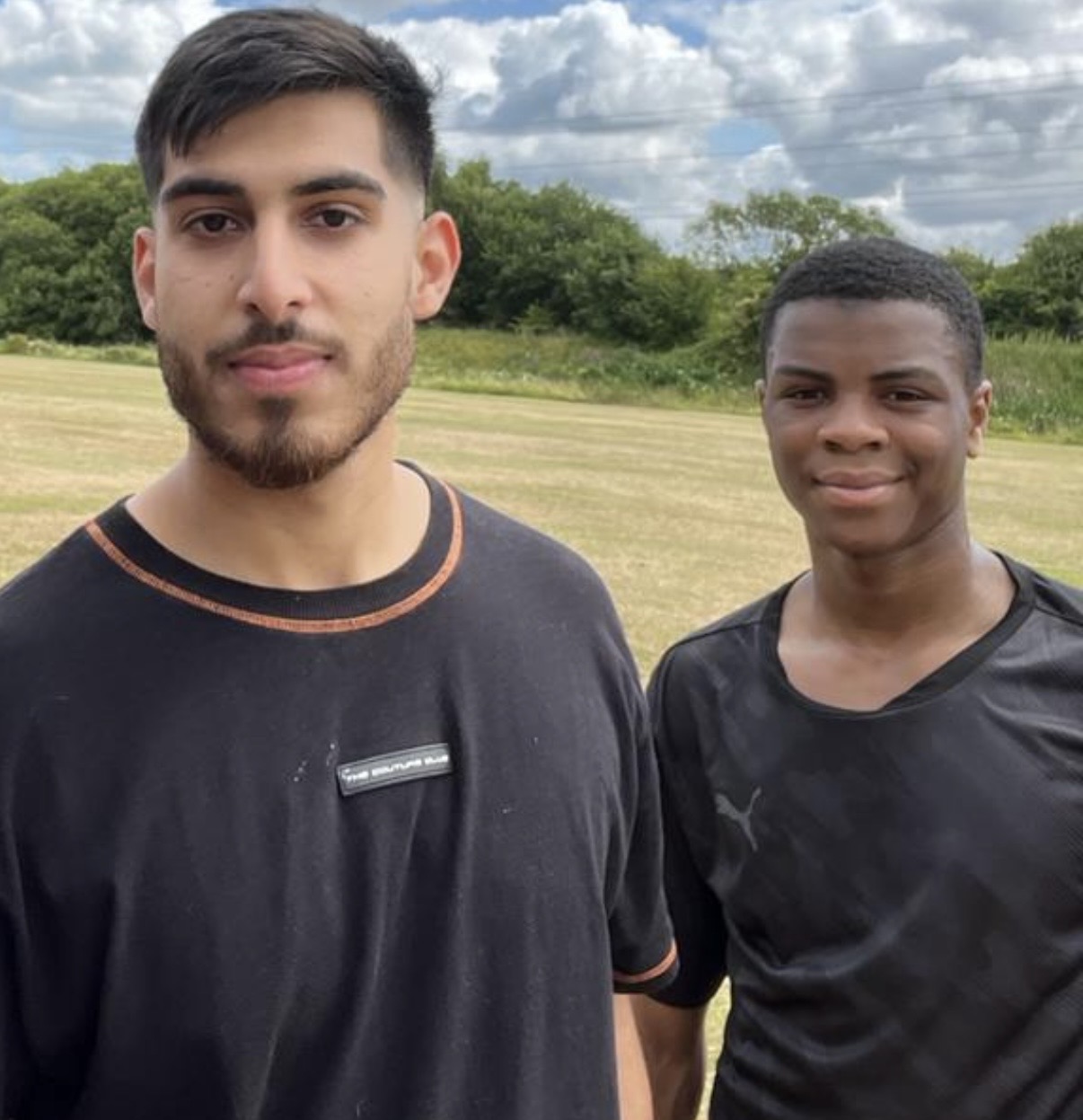
Luqman Mazhar pitchside physiotherapy session Newcastle-under-Lyme

Working pitchside with Farid Alfa-Ruprecht — formerly Manchester City Academy, currently Bayer Leverkusen pathway.

Common Sports Injuries We Treat

Each injury has a different recovery timeline and treatment approach. Here's what to expect from the most common sports injuries we see.

ACL Injury & Reconstruction

The most complex sports rehabilitation pathway. Whether managing conservatively or post-surgery, each phase must be completed with objective criteria before progression. Rushing increases re-injury risk substantially.

9–12 months to return to sport

Hamstring Strains

One of the most commonly re-injured muscles in sport. Graded rehabilitation addressing eccentric strength, running mechanics and return-to-sprint criteria is essential to prevent recurrence.

2–12 weeks depending on grade

Ankle Sprains

Poorly rehabilitated ankle sprains are the leading cause of chronic ankle instability. Proprioception retraining and progressive loading are essential — not just rest until pain settles.

6–12 weeks full rehabilitation

Groin & Hip Flexor Injuries

Common in footballers and sprinters. Adductor injuries, hip flexor strains and sports hernias each require a specific loading approach and progressive return to kicking and sprinting.

3–10 weeks depending on severity

Knee Ligament Injuries (MCL/PCL)

MCL injuries are often managed conservatively with excellent outcomes. PCL and combined injuries require more structured rehabilitation. Strength symmetry and proprioception testing guide return to contact sport.

4–16 weeks depending on grade

Calf & Achilles Injuries

Calf strains and Achilles tendinopathy are especially common in runners and field sport athletes. Progressive loading — not rest — is the cornerstone of effective treatment for both.

4–12 weeks

Rotator Cuff & Shoulder Injuries

Common in overhead sports — cricket, tennis, swimming, rugby. Rotator cuff strains, shoulder impingement and labral injuries all require sport-specific rehabilitation and return-to-throwing protocols.

6–16 weeks

Shin Splints & Stress Fractures

Overuse injuries common in runners and field sport players. Distinguishing between shin splints (MTSS) and stress fractures requires careful assessment. Both need structured load management and progressive return to running.

4–12 weeks

Meniscal Injuries

Meniscal tears are common in contact sport and pivoting activities. Treatment depends on the type and location of the tear — many respond well to physiotherapy without surgery. Post-surgical rehab following meniscus repair requires a carefully graded return to sport.

6–16 weeks depending on management

Patella Tendon (Jumper's Knee)

Overuse injury of the patella tendon common in jumping sports — basketball, volleyball and football. Responds well to progressive tendon loading programmes. Often mismanaged with rest alone, which delays recovery significantly.

6–12 weeks with correct loading

How We Rehabilitate Sports Injuries

A structured, criteria-based approach — not just pain relief. Every phase has specific goals that must be met before progression.

🎯

Injury Assessment

Full clinical assessment to diagnose the injury, grade severity and identify contributing factors — not just where it hurts.

📋

Criteria-Based Return to Sport

Objective strength, movement and functional tests at each phase — ensuring you return when you're physically ready, not just pain-free.

💪

Strength Rehabilitation

Progressive loading of the injured structure and surrounding muscles — the foundation of lasting recovery and re-injury prevention.

🏃

Return-to-Running Programme

Graded running progression from walk-to-run through to sprinting, change of direction and sport-specific movement.

⚖️

Load Management

Training load advice to progress safely without overloading healing tissue — particularly important for tendons and stress injuries.

🛡️

Injury Prevention

Addressing the underlying weaknesses and movement patterns that caused the injury — to prevent it happening again.

Return-to-Sport Phases

Progress between phases is determined by meeting objective criteria — not just time. This is what separates evidence-based sports rehab from guesswork.

1

Protect & Settle

Control swelling, restore baseline movement, begin early strengthening.

2

Rebuild Strength

Progressive loading to restore full strength and symmetry vs uninjured side.

3

Return to Running

Graded running — walk/jog intervals through to full-speed sprinting.

4

Sport-Specific

Change of direction, contact drills and sport-specific movements with full load.

5

Return to Play

Criteria met, confidence restored, clear plan for long-term injury prevention.

Players I've Worked With

Experience supporting athletes through injury and return-to-play across professional and academy football environments.

Farid Alfa-RuprechtManchester City & Bayer Leverkusen pathway
Baylee DipepaSouthampton pathway · England U19
Tommy McDermottBurnley pathway
John ClarkeReading FC / Ireland U19
James PlantPort Vale FC
Ben LomaxPort Vale FC

Players listed represent individuals worked with in a professional or academy environment. No official endorsement implied.

Who We Help

From elite footballers to weekend warriors — if sport is part of your life and injury is getting in the way, we can help.

Footballers

ACL rehab, hamstring injuries, ankle sprains and return-to-play at any level from grassroots to academy.

🏃

Runners

Shin splints, Achilles tendinopathy, stress fractures and structured return-to-running programmes.

🏋️

Gym Athletes

Lifting injuries, muscle strains, tendon problems and confident return to training.

🏉

Rugby Players

High-impact injury rehab including shoulder, knee and ankle injuries with contact-specific return-to-play.

🥋

Martial Artists

Impact injury rehab, mobility restoration and return to sparring and competition.

What Athletes Say

★★★★★

"Knee pain from a running injury had stopped my training. Luqman reduced the pain both during and after running, gave me exercises in between sessions and I ran the Stafford Half at almost 100%. Very happy with the results."

— Gary Lovell
★★★★★

"Sorted my injury quickly and got me back to the gym with a clear plan. Knew exactly what was causing the problem."

— Balal B
★★★★★

"My goal was to run the London Marathon with aggravated knee pain. Without visiting Luqman I'm not sure I would have achieved that goal. Incredible knowledge and action plans for every session."

— Thomas Hulme

Why Choose Primus Physio for Sports Rehab?

formerly Head Academy Physiotherapist at Port Vale FC

Criteria-based return to sport — not just pain-free

Elite football rehabilitation protocols applied to all patients

NHS Band 6 & GP First Contact Practitioner experience

Strength-based rehabilitation approach

Same-week appointments, evenings & weekends

Sports Rehab FAQs

How long does ACL rehabilitation take? +
ACL reconstruction rehabilitation typically takes 9–12 months for return to competitive sport. Each phase — from swelling control and quad activation through to running, agility and sport-specific drills — must be completed before progressing. Rushing the timeline significantly increases re-injury risk.
What is return-to-sport criteria? +
Return-to-sport criteria are objective tests confirming you are physically ready to return — not just pain-free. This includes strength symmetry tests, functional movement assessments and sport-specific performance criteria. Returning without meeting these criteria is the leading cause of repeat sports injuries.
Can you help with hamstring injuries? +
Yes — hamstring strains are one of the most common and most re-injured muscles in sport. Grade 1 strains may resolve in 2–3 weeks; Grade 2–3 injuries typically take 4–12 weeks. Eccentric strengthening and criteria-based return to sprinting is essential to prevent recurrence.
Do you work with non-professional athletes? +
Absolutely. The same high-performance rehabilitation protocols used at Port Vale FC are applied to every patient — whether you're a Sunday league footballer, parkrun regular or gym-goer. Your level doesn't change the quality of rehabilitation you receive.
Can I keep training during rehabilitation? +
In most cases yes — modified training that doesn't aggravate the injury is encouraged throughout rehabilitation. Staying active maintains fitness and speeds recovery. We'll advise exactly what to continue, what to modify and what to avoid at each stage.
Do I need a GP referral? +
No — you can book directly without a GP referral and be seen the same week, including evenings and weekends at Copthall House, King Street, Newcastle-under-Lyme.
How much does sports physiotherapy cost? +
Your first session is £60 (60 minutes) — this includes a full assessment, diagnosis and hands-on treatment all in one appointment. Follow-up sessions are £40 (30 minutes). No GP referral or NHS waiting list required.

Further Reading

Advice and guides from Luqman on related topics.

Ready to start?

Book Your Sports Injury Assessment

Same-week appointments in Newcastle-under-Lyme. Elite rehabilitation principles. No GP referral needed.

Book Assessment
Book Appointment